
Table of Contents
- What You'll Need Before Washing Printed Graphic Tees
- How to Wash Screen-Printed Shirts: The Right Method
- How to Wash DTG Printed Shirts: Direct-to-Garment Care
- Best Detergent for Printed Shirts and Water Temperature
- How to Dry Graphic Tees Without Damaging the Print
- First-Wash Curing and Stain Removal Without Print Damage
- Common Mistakes to Avoid When Washing Printed Garments
- Troubleshooting Damaged Prints and Storage Tips
- Frequently Asked Questions
Last Updated: October 6, 2026
What You'll Need Before Washing Printed Graphic Tees
Before you wash printed graphic tees, gather the right supplies. Getting this step wrong costs you durability. The print will crack, fade, or peel far faster than it should.
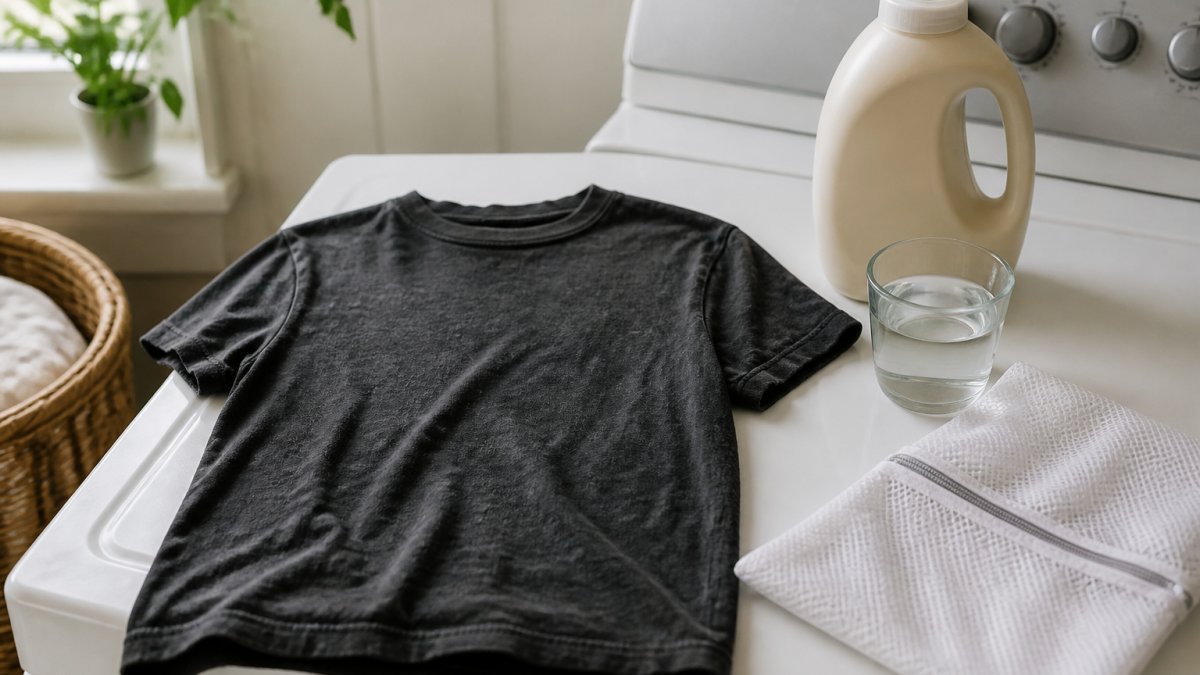
Start with cold water. Hot water breaks down the ink bond faster than anything else. Cold water keeps the print stable and the fibers intact.
You'll also need a mild detergent. Skip the heavy-duty cleaners and bleach entirely. These harsh chemicals strip color and damage both the garment and the printing ink. A gentle, fragrance-free detergent works best for printed clothes.
Add a mesh laundry bag to your arsenal. This protects the print from friction and twisting during the wash cycle. The bag keeps your printed T-shirt separated from other garments and reduces agitation.
Here's what to gather:
- Mild, fragrance-free detergent
- Cold water (30°C or below)
- Mesh laundry bag for protection
- Separate dark and light colored garments
- Optional: white vinegar for color preservation
The mesh bag is the unsung hero here. Most people skip it and wonder why their prints deteriorate faster than expected. That bag cuts down on unnecessary friction and tangling that damages the ink.
How to Wash Screen-Printed Shirts: The Right Method
Screen printing is the most common print method for graphic tees. The ink sits on top of the fibers, so it's vulnerable to heat, friction, and harsh chemicals. Washing screen-printed shirts requires a deliberate approach to keep the print intact.
Prepare Your Shirt
Turn your screen-printed shirt inside out before washing. This is non-negotiable. The print faces inward, away from the agitation and friction of the wash cycle. The inside of the garment takes the beating instead of your bold design.
Check the care label when you wash printed graphic tees. Some manufacturers include specific guidance. If they do, follow it. If not, the steps below work for most screen-printed garments.
Inspect the print for any loose areas or damage before washing. If you notice peeling or cracking at the edges, hand-washing is safer than machine washing. We'll cover that in the next section.
Choose Your Washing Approach
You have two main options: machine washing or hand washing. Machine washing is faster. Hand washing gives you more control and is gentler on the print.
Machine washing:
Use a gentle or low-soil cycle. This setting uses less agitation and shorter wash times. Avoid the heavy-duty or normal cycle entirely. Set water temperature to cold.
Wash with similar colors. Darks with darks, lights with lights. This prevents color bleeding and dye transfer that can damage the print or stain the garment.
Don't overload the machine. A packed drum creates excessive friction. Leave space for clothes to move freely. A small load washes more gently than a full one.
Use the mesh bag. Place your turned-inside-out shirt in the bag before adding it to the machine. This adds an extra layer of protection against twisting and tangling.
Hand washing:
Fill a sink or basin with cold water. Add a small amount of mild detergent. Submerge the shirt and gently agitate the water for 2-3 minutes.
Rinse thoroughly with cold water until all soap is gone. Gently squeeze out excess water. Do not wring or twist the garment.
Hand washing takes more time but delivers superior results for valuable or heavily printed pieces. The American Cleaning Institute guidelines recommend hand washing for delicate printed garments when durability matters most.
How to Wash DTG Printed Shirts: Direct-to-Garment Care
Direct-to-garment (DTG) printing injects ink directly into the fabric fibers. The ink penetrates deeper than screen printing. However, they still need careful washing to maintain vibrancy and prevent cracking.
DTG printed shirts handle cold water washes well. The ink bonds with the fibers themselves, so the print is less vulnerable to surface damage. Still, avoid hot water and harsh detergents.
Turn the shirt inside out, just as you would with screen-printed garments. Use a gentle wash cycle with cold water. The mesh bag remains essential for protecting the print from unnecessary friction.
DTG prints cure during the first few washes. We'll cover curing in detail later, but understand that the first 3-5 washes are critical. Treat them with extra care. Cold water and gentle cycles matter most during this window.
Many custom apparel makers, including Merrickas Supply Co., use DTG printing for full-color, detailed designs. The process delivers vibrant results when cared for properly.
Best Detergent for Printed Shirts and Water Temperature
The detergent you choose directly impacts print longevity. A mild, fragrance-free detergent is your safest bet. Look for products labeled "gentle" or "delicate."
Avoid these entirely:
- Bleach and oxygen-based cleaners
- Heavy-duty detergents designed for stains
- Fabric softeners (they coat fibers and fade prints)
- Enzyme-based detergents (they break down fibers)
- Scented or dyed detergents (additives damage prints)
Water temperature matters as much as detergent choice. Cold water (below 30°C) is the standard. Lukewarm water accelerates fading. Hot water is the enemy of printed garments.
Why cold water? Heat opens the fibers and allows ink to escape. It also weakens the bond between ink and fabric. Cold water keeps everything locked in place. The printing ink stays where it belongs, on your shirt, not in the rinse water.
If you live in an area with hard water, consider adding a water softener to your wash. Hard water minerals can dull colors and interfere with detergent effectiveness. Soft water cleans better and preserves print quality longer.
How to Dry Graphic Tees Without Damaging the Print
Drying is where most people make their biggest mistake. They throw the shirt in a tumble dryer and wonder why the print cracks within a few months. Heat is the enemy of printed garments.
Air-drying is the gold standard. Lay the shirt flat on a clean surface or hang it on a line. Avoid direct sunlight, which fades colors over time. A shaded, well-ventilated area works best. The shirt dries slowly but safely.
Happy Camper Blackout Tee – Camping →
If you must use a dryer, use the lowest heat setting available. Run it for 10-15 minutes only. Remove the shirt while it's still slightly damp. Never run a full dry cycle on high heat.
Never iron directly over the print. Heat and pressure from an iron will damage the ink and cause cracking. If you need to remove wrinkles, iron the reverse side only. Place a cloth between the iron and the garment for extra protection.
Store your printed graphic tees in a cool, dry place. Humidity and heat in storage degrade the print over time. Fold rather than hang to avoid stretching. Keep them away from direct sunlight.
First-Wash Curing and Stain Removal Without Print Damage
Curing Your New Printed Tee
New printed graphic tees need a curing period. The ink is still bonding with the fibers during the first few washes. Treat these washes with extra care.
For the first wash, use cold water and a gentle cycle. Hand washing is ideal if you have the time. The ink is still settling and is more vulnerable to friction and agitation.
Wait 24-48 hours after receiving your new shirt before the first wash. This allows the print to set. For screen-printed garments, wait even longer if possible. Some manufacturers recommend waiting a full week.
Wash separately during the first three washes. Don't mix with other garments. This prevents dye transfer and reduces friction. The print is still curing and needs isolation from other clothes.
Removing Stains Safely
Stains happen. The key is removing them without damaging the print. Never scrub the printed area directly.
For fresh stains, blot immediately with a clean cloth. Don't rub. Rubbing pushes the stain deeper and can damage the print surface.
Soak the stained area in cold water with a small amount of mild detergent. Let it sit for 15-30 minutes. Gently agitate the water around the stain. Rinse thoroughly with cold water.
For set-in stains, avoid bleach entirely. Instead, try a paste of mild detergent and cold water. Apply it to the stain and let it sit for 30 minutes. Gently work it in with your fingers, not a brush. Rinse thoroughly.
Never use hot water to treat stains on printed garments. Heat sets stains permanently and damages the print. Always start with cold water and gentle methods.
If a stain won't come out after gentle treatment, accept it. Aggressive stain removal will damage the print more than leaving the stain. The garment's longevity matters more than perfect appearance.
Common Mistakes to Avoid When Washing Printed Garments
The biggest mistake is using hot water. People think hot water cleans better. For printed garments, it destroys the print. Stick with cold water every single time.
Overloading the washing machine is mistake number two. A packed drum creates excessive friction and twisting. The print suffers from constant contact with other garments. Wash smaller loads and give your shirt room to move.
Using the wrong detergent costs durability. Heavy-duty detergents, bleach, and fabric softeners all damage prints. A mild, fragrance-free detergent is your only choice.
Drying in a tumble dryer on high heat ruins prints fast. The heat causes cracking and fading. Air-drying takes longer but preserves the print for years.
Ironing directly over the print is a common mistake that causes immediate damage. The heat and pressure crack the ink. Iron the reverse side only, or skip ironing altogether.
Mixing colors in the first few washes is risky. New dyes can bleed and stain the print. Wash dark and light colors separately, especially during the first three washes.
Ignoring the care label is another error. Manufacturers include guidance for a reason. Follow it when available. When in doubt, treat the garment as delicate.
Troubleshooting Damaged Prints and Storage Tips
If your print is already cracking or peeling, the damage is usually permanent. You can slow further deterioration but not reverse it.
Fading happens over time, especially with frequent washing. It's normal. Washing in cold water with mild detergent slows fading significantly.
Peeling at the edges is common with screen-printed garments. Once peeling starts, it spreads with each wash. Hand washing slows the process.
Cracking across the print surface suggests heat damage or aggressive washing. Check your water temperature and wash cycle. Switch to cold water and a gentle cycle immediately.
For storage, fold your printed graphic tees rather than hanging them. Hanging stretches the garment and can stress the print at the seams.
Store in a cool, dry closet away from direct sunlight. Humidity and heat degrade prints over time. Avoid plastic storage bags, which trap moisture.
If you're storing printed garments long-term, turn them inside out. This protects the print from dust and light exposure. Check them occasionally for signs of mold or moisture.
Printed graphic tees deserve proper care. Follow these steps, and your printed tee will last. Shop the gear and get 10% off your first order with code WELCOME10.
Frequently Asked Questions
How long should I wait before washing a newly printed shirt?
Wait 24-48 hours after receiving your printed graphic tee before the first wash. This curing period allows the ink or dye to fully set into the cotton fibers. For screen-printed designs, a longer cure time (up to 72 hours) provides extra durability. Check your care label for specific guidance, and avoid washing, ironing, or exposing the print to heat during this window.
Is it better to wash graphic T-shirts inside out?
Yes, always turn your printed graphic tee inside out before washing. This protects the print from direct friction with the washing machine drum and prevents fading, cracking, and peeling. Keeping the printed side facing inward shields the design from harsh agitation and reduces contact with detergent, extending the life of both screen-printed and DTG printed shirts significantly.
Can I put printed graphic tees in the dryer?
Avoid machine drying printed graphic tees whenever possible. High heat causes ink to crack and fade, and tumble action can lift the print. Instead, air-dry flat or hang your shirt in a cool, shaded area. If you must use a dryer, select the lowest heat setting and remove the shirt while still slightly damp. Never use high heat on any printed garment.
What detergent should I use for printed shirts?
Choose a mild, pH-neutral detergent free from bleach and harsh chemicals. Avoid enzyme-based cleaners and fabric softeners, which can damage the print and weaken cotton fibers. Use a smaller amount than you would for regular laundry, about half the recommended dose. Cold water (below 30°C) combined with gentle detergent preserves both the garment and the design.